
Screens Are a Shield. Ownership Is a Lever.
Almost every conversation we have about values-aligned money opens the same way. Someone tells us what they stopped funding. No fossil fuels. No private prisons. No weapons manufacturers. It usually took years of pushing an advisor who did not want to do it, so we would never say that it wasn’t real work.
But then we ask what the money is building, and the conversation stops.
That pause is the thing we want to write about. It happens because a whole industry hands you one kind of tool and wants us to believe it is the entire solution to aligning your capital with your values.
Two sides of a line, not rungs on a ladder
We used to think of this as a ladder. Risk management on the bottom rung, ownership at the top, everybody climbing. We thought one of our jobs was to encourage people to keep climbing. The reality is that almost nobody climbs.
It is a line with two sides, and capital usually picks one.
On the defensive side, you treat environmental and social factors as financial risk because a company that poisons a river eventually gets sued, and lawsuits are bad for returns. A step further along, a foundation screens out the industries they are fighting, so their portfolio is not funding the things that their grants are trying to undo.
On the other side, you choose an investment because of what it makes. You use the structure of the deal considering who holds equity, who sits on the board, and who has a vote to move assets and decision rights to people who have never held either.
A shield has never made something new
We want to be fair to the defensive side (the shields), because it is not nothing. Screening costs something. It keeps you honest. We would rather see a portfolio without Meta in it than one with it.
But when you sell a share, somebody else buys it, and that somebody is not troubled by what troubled you. The company runs exactly as it ran before you sold. The workers own nothing on Tuesday that they did not own on Monday.
That is not a flaw in how the screen was executed. It is what a screen IS. It was designed to protect you, and it does that job beautifully.
What the other side actually looks like
A machine shop converts to employee ownership and four hundred people start accruing an asset instead of only a wage.
A family in a resident-owned community stops paying rent to a landlord like private equity whose returns depend on raising the rent.
A committee of practitioners, experts who have actually run the deals, decides where the next dollar goes, instead of a board of funders.
To be clear these levers of change are not exotic. It is all happening right now, at small scale, mostly financed by people who had to build the instruments themselves because nobody was selling them.
What changes is the question at the front of it. Avoidance asks what you are not funding. Ownership asks who owns this, who benefits, and who decides.
It is the difference between renting impact and owning it.
Where to start
You do not have to move everything at once. We did not.
Pick one position. Ask what it is building. If the honest answer is that it is not building anything terrible, you have found a shield; you should keep it, it is doing its job. But then ask your advisor what the lever version of that same allocation would look like.
The answer you get will tell you a great deal about your advisor.
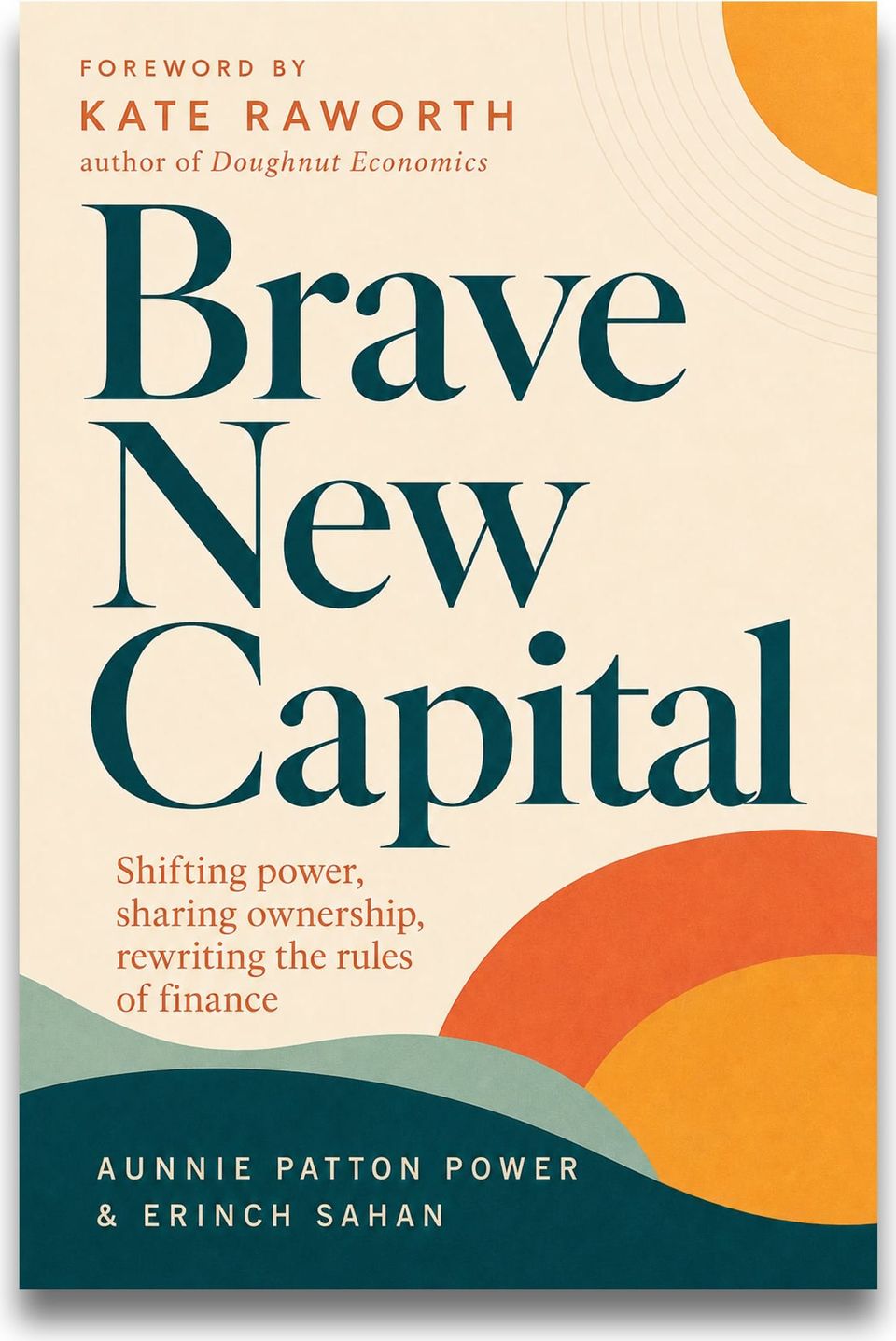
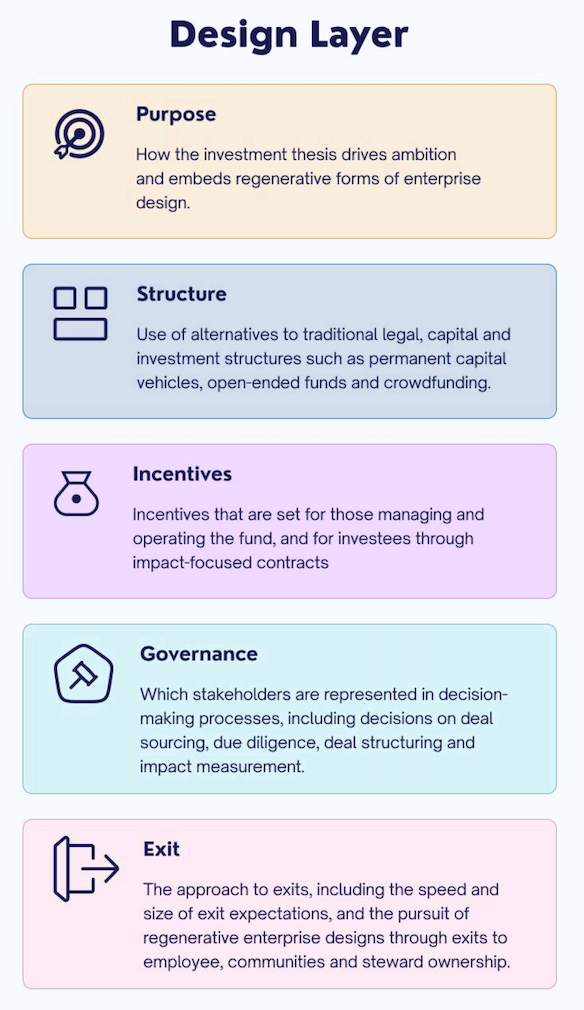
Innovative Finance Initiative and Aunnie Patton Power have developed some layers that one looking to design an investment to be a lever rather than a shield might consider. We think it’s pretty handy! And Aunnie's new book will have a lot more ideas on this as well. "The rules of finance aren't laws of nature. They are choices."
This is the short version of an argument we made at length in Mission Activation: Capital Needs to Stop Apologizing and Start Building.
Full disclosure: we haven't gotten to read Brave New Capital yet but we are looking forward to it!
Member discussion